












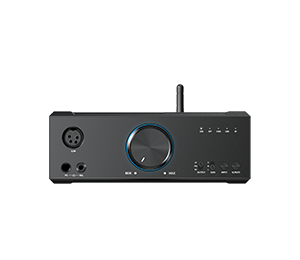
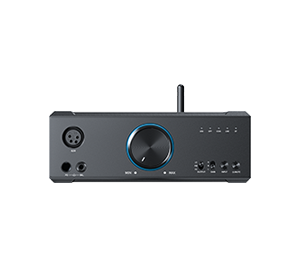
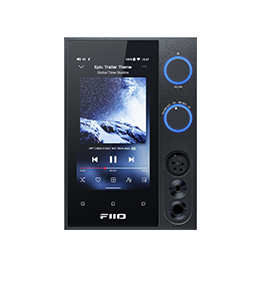



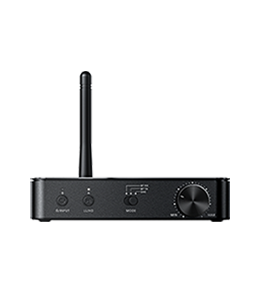





















R2R Architecture Enables Desktop Hi-Fi Experience-Listen to a 1000-level Desktop Decoding Earphone
Feiao has always been good at creating a more diversified music experience for consumers by adopting different DACs within the overall framework of the same product. This strategy is not only reflected in some of its music players, but also widely used in desktop decoding products. K11 R2R is the latest masterpiece under this product strategy. After K11 broke Feiao's previous aesthetic pattern with its simple and fashionable industrial design and won the favor of consumers, Feiao injected its long-studied R2R architecture DAC into this exquisite "container" and K11 R2R was born. So, what kind of unique sound quality experience can K11 R2R present to us? Next, please follow us to experience it in depth.

Specifications
color: black, silver, red
master chip (microcontroller):GD32F303RET6
DAC Module: Fully Differential Complementary True 24Bit R2R Resistor Array
volume control chip: NJW1195A
USB input specifications: 384kHz/32bit, DSD256
Coaxial Input Specification: 192kHz/24bit
fiber input specification: 96kHz/24bit
USB Type: USB-C
Screen: Customized LCD Display
size: 147mm × 133mm × 32.3mm (including machine foot pad)
weight: about 420g
power supply: external adapter DC12V 2A
single-ended output power 1:L + R≥ 460mW +460mW (32Ω, THD + N<1%) (32Ω/single-ended/high gain)
single-ended output power 2:L + R≥ 50mW +50mW (300 Ω, THD + N<1%) (300 Ω/single-ended/high gain)
balanced output power 1:L + R≥ 1300mW +1300mW (32Ω, THD + N<1%) (32Ω/balanced/high gain)
balanced output power 2:L + R≥ 220mW +220mW (300 Ω, THD + N<1%) (300 Ω/balanced/high gain)
frequency response: 20Hz ~ 50kHz
SNR: ≥ 115dB (A-weighted)
bottom noise: PO<7.2μV (A weight);BAL<14.1 μV (A weight)
output impedance: PO<1Ω (32Ω load);BAL<1.5Ω (32Ω load)
THD+N:LO<0.02% (1kHz/10kΩ)
reference price: 1099 yuan

Feiao K11 R2R upgraded the original CS43198 DAC chip to a self-developed 24bit R2R architecture DAC on the basis of retaining K11 control core, ear amplifier circuit and USB decoding scheme, and optimized the power supply system for R2R characteristics. Compared with the single-chip scheme of K11, the fully differential complementary 24bit R2R resistor array DAC applied on K11 R2R is composed of FPGA chip, serial-parallel conversion chip, R2R resistor network and impedance transformation circuit, which significantly improves the complexity. The R2R resistor network consists of 48 thin film resistors per channel and a total of 192 precision thin film resistors with 0.1% accuracy and low temperature drift (30ppm). The complementary architecture design separates the positive and negative half-cycle signals. Compared with the non-complementary architecture, it can reduce noise and FFT harmonic components, which is reflected in the actual listening sense, that is, to make the music background darker-quieter, purer, and free of noise and interference. Under the condition of maintaining the original structure and limited circuit space, Feiao realizes functional integration by adding an independent R2R module, and at the same time adopts a phosphor copper shield treated by passivation process, which can effectively block electromagnetic interference.

With the blessing of R2R DAC, the decoding capability of K11 R2R can support PCM 384kHz/24bit and DSD256 (DSD output mode of front-end audio source is set to Native, and internal conversion to PCM for R2R resistor array decoding). In addition, it also has NOS(Non-Over Sampling) no oversampling rate mode and OS(Over Sampling) oversampling rate mode. The former maintains the original sampling rate decoding and retains the original flavor of the audio source; the latter increases the frequency to 384kHz globally to improve the resolution of details. Users can switch between the two modes according to their preferences.
What is R2R architecture?
R2R is a kind of audio equipment based on the principle of resistor voltage division, applied to digital analog converter (DAC) on the technical architecture, its core is through high-precision resistor array to convert digital signals directly into analog signals. Different from the mainstream Delta-Sigma architecture, the R2R architecture can directly convert a digital signal into an analog signal without complex processing links such as oversampling and digital filtering, and can more faithfully restore the details and dynamic range of the original audio signal.
specifically, the R2R architecture is based on a network of high-precision resistors, typically using only two resistors, R and 2R. These resistors are connected according to a specific law to form a ladder resistor network. The weight of adjacent resistors on each node is always doubled, which is consistent with the arrangement law of binary numbers, so its structure can be regarded as the projection of binary numbers on the circuit. Each bit of the digital signal corresponds to a particular branch of the resistor network. When a bit in the digital signal is "1", the corresponding branch will have a current through it, and according to the position and weight of the branch in the resistor network, it will make a corresponding contribution to the final output analog signal; When a bit is "0", there is no current through the branch. In this way, the R2R architecture converts each bit of information in the digital signal into a corresponding analog quantity, which is finally superimposed to form an analog signal output corresponding to the digital signal.
R2R architecture has been gradually popularized in professional and civil audio equipment in the 1970 s and 1980 s, and has had a brilliant period. For example, Texas Instruments PCM1704 is the representative product of the R2R architecture. However, due to the rise of Delta-Sigma architecture, the application of R2R architecture has decreased. However, in recent years, with the pursuit of sound quality "personality" by audio lovers, the R2R architecture with unique charm of the converted sound has received renewed attention.
K11 R2R adds an independent 4-channel electronic volume control chip NJW1195A to the analog circuit design. The chip is based on the resistor ladder electronic potentiometer design, with low distortion, low noise characteristics, can achieve accurate volume adjustment.

audio signal processing flow is precisely designed: the signal is input through the USB interface and transmitted to the digital audio bridge, and then processed by the FPGA chip for digital filtering and up-conversion. The processed digital signal is decoded by R2R DAC into 4 differential analog signals, and then low-pass filtered by TI OPA1642 op amp and converted into single-ended signals, and then the NJW1195A realizes accurate volume adjustment. The post-stage adopts dual-SGM8262 professional operational amplifier to signal inversion and amplification, and finally outputs single-ended and balanced analog signals.
output power, the 1% distortion power of K11 R2R balanced port reaches 220mW under 300Ω load, and this data reaches 1300mW under 32Ω load. The system is equipped with three independent gains (low, medium and high), each with a dedicated volume curve, which can be easily handled whether it is suitable for low-resistance earplugs or high-resistance big ears.

K11 R2R shows a professional-level architecture in the design of power supply system. Its core consists of multi-level voltage stabilization scheme and power purification technology: 17 low-noise LDO precision voltage stabilization ICs and 2 DC-DC converters are used to work together to provide -9V, 8V, 7.5V, 6V, 5.4V, 3.3V, 1.8V and 1.2V multi-channel professional power supply, covering the power supply requirements of the whole system chip. The external customized 12V switching power supply provides pure energy for R2R DAC and operational amplifier through secondary voltage stabilization and multi-stage filter network processing. The new emerald solid-state capacitor, its equivalent series resistance as low as 5mΩ, combined with high-frequency low impedance characteristics, can effectively suppress ripple interference and electricity.
Appearance
enhances the texture of the table

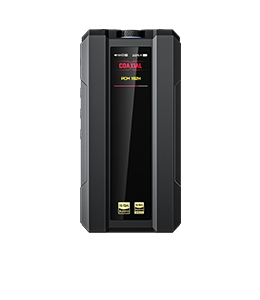
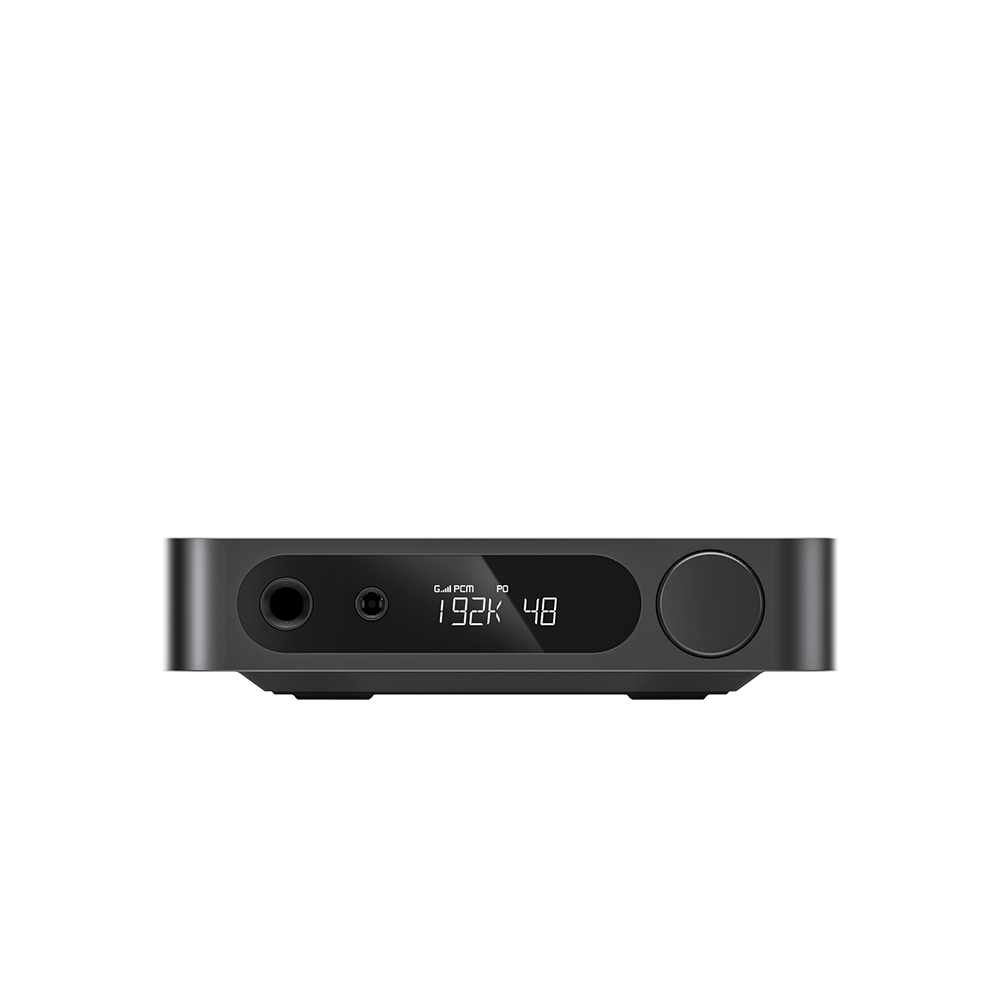
Compared with Feiao's desktop decoding earmuff in the "single digit" era, the external design of K11 R2R has been significantly improved, which can be called "table artifact". It has a square shape and simple lines. Its "circumference" is 147mm × 133mm × 32.3mm, which is not much bigger than a slap and weighs less than 0.50kg. Placed beside the monitor, it does not take up space at all. If the monitor base is flat, K11 R2R can even be placed on the base, saving desktop space.

K11 R2R using aluminum alloy body, the integrity is quite good, the surface of the use of fine sandblasting process, touch delicate and smooth, and not easy to leave fingerprints and other stains. The corners are rounded and have a high color value, especially the silver version, which has the charm of Apple Mac mini. Its bottom is slightly raised and matched with an octagonal silicone anti-skid pad, which not only ensures the stable placement of the equipment but also avoids scratches on the desktop. In addition to silver models, the K11 R2R is also available in black and red versions for users to choose from.


K11 R2R not only has an excellent overall look, but also can withstand critical details. The eye-catching Feiao letter Logo on the top of the fuselage has built-in RGB atmosphere light. Users can freely switch the color, state and brightness of the light, so that its light effect is consistent with that of the keyboard and mouse, and it can become the "atmosphere responsibility" of the desktop in an instant ". The "R2R" logo under the Logo makes people see at a glance that it is different from K11, showing a professional style in a low profile.

clearly presents key information such as sampling rate, volume, gain and output mode in the current state of the device, allowing users to see the state of the device at a glance. Next to the display screen is a multi-function knob with a sense of scale, which integrates the functions of switch, menu operation and volume adjustment. Users can adjust by turning the knob or pressing to realize the operation, which is very convenient to use. The diamond texture on the surface of the knob has the previous design elements of the Feiao family, and the operation feels good with clear torque feedback.

In terms of interface, K11 R2R can be called "sparrow is small, but it has all five organs". The back is equipped with USB input, optical fiber input, coaxial input/output and RCA line output interface, the front is equipped with 4.4mm balance port and 6.35mm single port, and a 6.35mm to 3.5mm adapter is also provided in the accessory, which can be easily adapted to connect large headphones or earplugs.

audition experience
I use K11 R2R to connect the notebook computer of the Windows system is very convenient, just through the USB-C interface and the USB data cable connection in the accessory, it can realize plug and play. In addition, it also supports UAC 1.0, compatible with PS5, Switch and other game consoles. For mobile end users, if equipped with USB-C to USB-C data cable, the device also supports direct connection with mobile phones. However, it should be noted that K11 R2R cannot be set through the FiiO Control App on the mobile phone. Users can only complete various setting operations on the local device through the knob and the screen.

I first matched the HD600 with an impedance of 300Ω and K11 R2R for audition through the 4.4mm balance port. Although the output power of 220mW per channel of the balanced port is not outstanding compared with the data of its flagship machine when driving 300Ω impedance, in actual experience, the sound volume can be adjusted to about 30 in high gain mode, which can reach the level of auditability in most music.

Under K11 R2R, HD600 shows a clear outline and complete sound field, the instrument is accurately positioned, the hierarchy is clear, and the dynamic response does not show obvious compression. However, when dealing with the large orchestrated symphony, the sound field is slightly cramped, and the characteristics of this combination in space creation will be better in the small orchestrated music.
when comparing the performance of HD600 in high gain and medium gain mode, I found that even if the medium gain can provide sufficient sound pressure at a volume of 50, the difference in sound quality between the two is obvious. In the high gain mode, the HD600 creates a more relaxed space in the small compilation of music, does not produce a sense of squeezing, has a richer atmosphere, and has better control, is not prone to stimulating listening, and performs better overall.

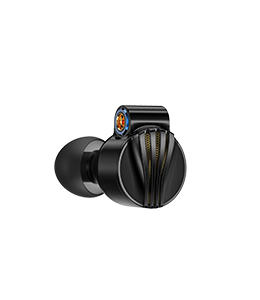
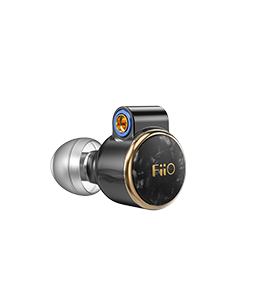
After changing to FH19, the difference in sound quality between low gain and medium and high gain modes is still significant. I think the medium and high gains of K11 R2R are more conducive to stimulating the sound quality of headphones. The combination of K11 R2R and FH19 shows good musical expression. The loose sound bottom of K11 R2R and the abundant dynamics brought by FH19 push-pull double-moving circle make the overall listening sense not only have a certain sense of scale, but also have delicate emotional expression.
R2R architecture complements the FH19 medium frequency listening and robust characteristics, and the vocal performance has both density and freshness. In the jazz live recording, the subtle vibrations and breath changes of the singer's throat are delicately restored while retaining a moderate sense of air. This style not only continues the base of the FH series, but also injects a more vivid musical expression. In the low-frequency performance, the characteristics of this combination are reflected in the impact of sufficient elasticity and the depth of the dive, and did not particularly increase the sense of low frequency. In the high-frequency interpretation, you can feel some softening treatment. In the string performance, you can not only keep the texture of the bow friction, but also naturally modify the places that may be harsh, making it more delicate and smooth. Compared with Feiao's own higher-positioned desktop decoding ear amplifier, K11 R2R has a certain gap in low-frequency sense, sound density and control, but the unique charm of R2R architecture can create a unique listening atmosphere for listeners and bring different music experience.
written at the end.

Compared with K11,K11 R2R transforms R2R architecture, a "technical totem" in the hearts of many players, into an audio solution that is more accessible to the public. It accurately cuts into the thousand-dollar market, lowering the threshold for R2R architecture audio equipment with a pricing strategy of only 200 yuan higher than K11. In terms of sound quality performance, K11 R2R fully demonstrates the unique "analog sound" style of R2R architecture, but does not blindly pursue "HuFi". Instead, while ensuring the warmth and mellow sound, K11 R2R takes into account the sense of transparency, making the sense of music and the resolution reach a balance. The advent of K11 R2R has injected fresh vitality into the entry-level machine market, allowing consumers to experience more different sounds.
Author:Microcomputer Official Microblog03-18 09:15
web site:R2R Architecture Enabling Desktop Hi-Fi Experience-Listen to a 1000-level Desktop Decoding Earphone
