


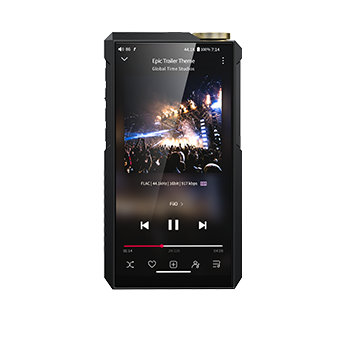


























[Cost-effective Entry Big Ear Desktop Combination] Talk about Feiao FT1 K11R2R
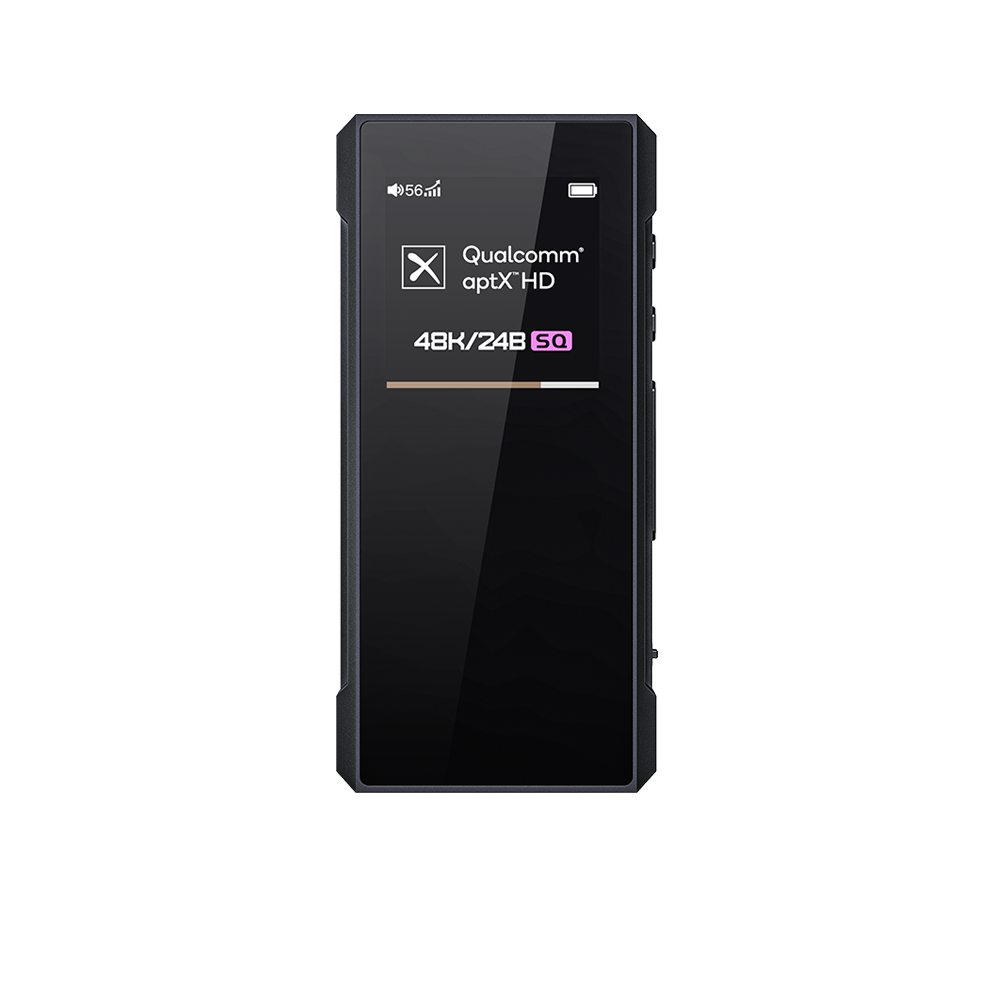
watched as Q4 of 2024 was approaching. For more than half a year, gifted scholars and friends wrote a lot of sharing. Feiao's share was probably the highest among all brands. In the first three quarters, they "step by step" launched a series of new products, far higher than other domestic brands. The main characters to be talked about today are the two affordable products they recently launched, K11 R2R decoding all-in-one machine and FT1 big ear,conclusion is in front: the feeling of this combination is one word, which is worth it., it can be regarded as one of the representatives of the current entry-level desktop combination.

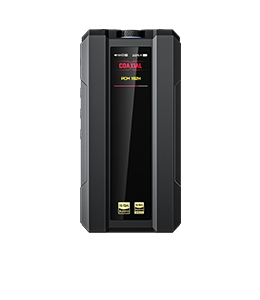
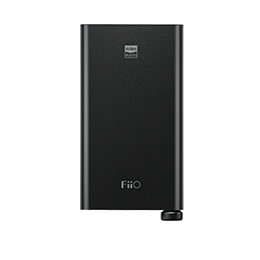
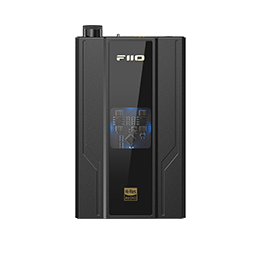
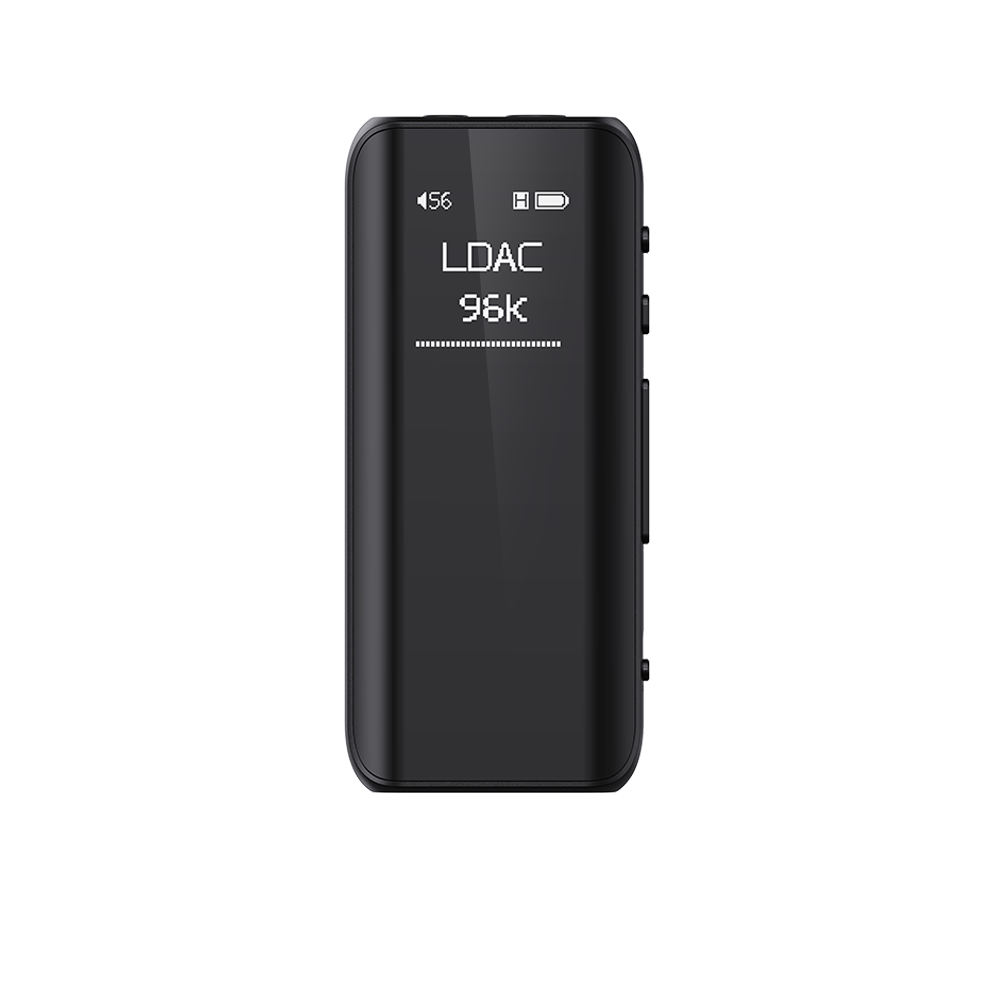
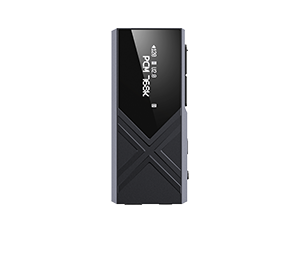
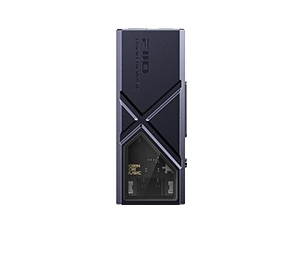
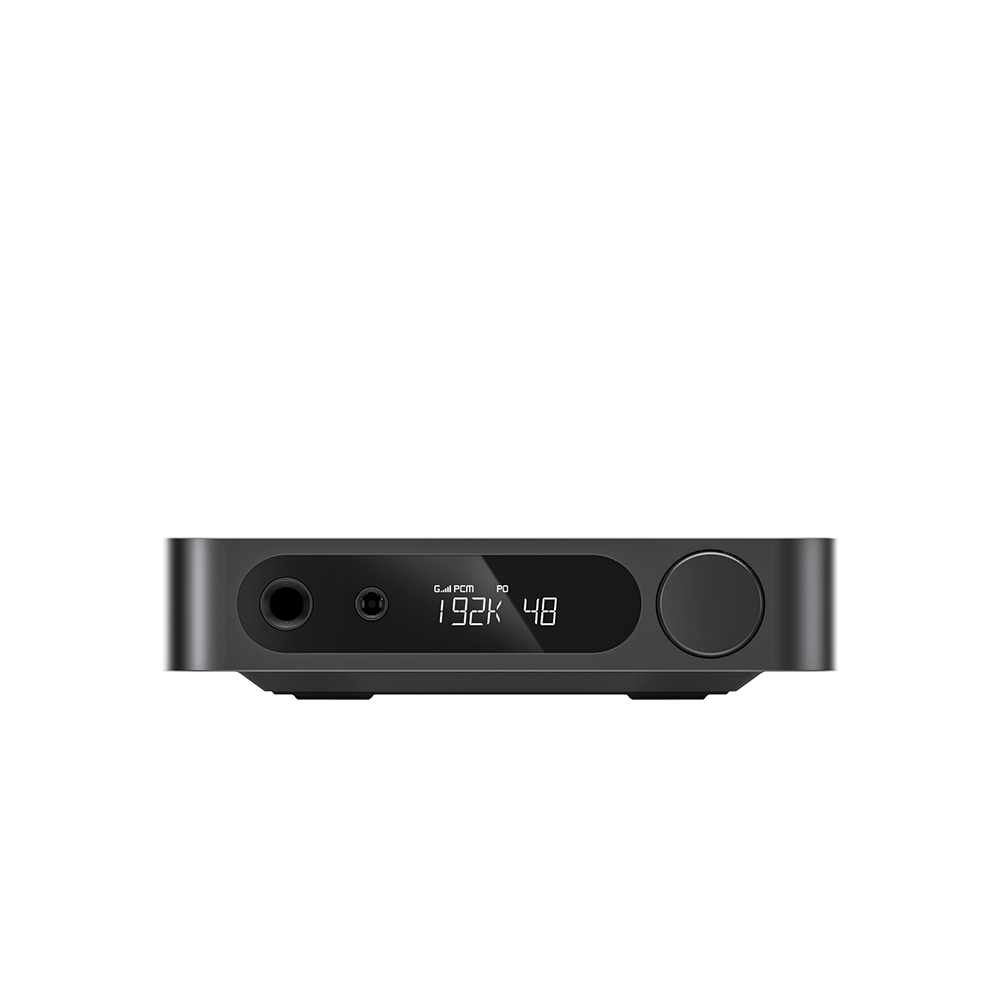
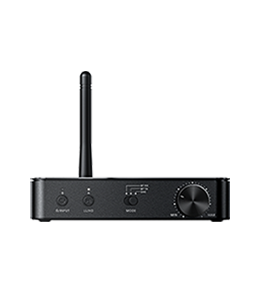
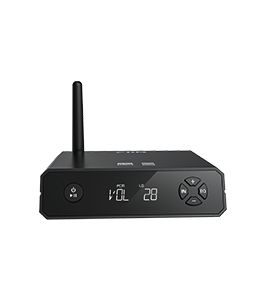
, let's talk about K11 R2R first. As can be seen from the prefix, this is the entry-level product with the lowest sequence (1) in the "1" generation (the previous generation was the "0" generation) of the K (decoding all-in-one machine) series. At present, K11 has two versions, one is the ordinary version without suffix, and the other is the R2R version to be mentioned today. It is easy to see that the difference between the two versions lies in the processing of the decoding stage. The ordinary version uses a piece of CS43198 for decoding, while R2R uses a resistor array controlled by FPGA for decoding. The price difference between the two versions is about 200 yuan. The ordinary version is quoted at 899, while the R2R version is quoted at 1099. To be honest, I have played 10,000-yuan R2R, but I really haven't touched 1,000-yuan R2R,K11 R2R uses a self-developed fully differential 24Bit resistor array inside, with a total of 4 channels, 48 in each channel and a total of 192 thin film resistors., the resistance error of these resistors is controlled within 0.1, the temperature drift coefficient is uniform enough (30ppm), and the R2R module is designed with independent PCB board, and the outside is also covered with a shielding cover to effectively shield external interference. From the perspective of pure electrical design, Feiao has done a reasonable job. More importantly, the volume of K11 R2R machine is controlled to be quite restrained, only one and a half palm sizes, and it is full of strength. In fact, most R2R resistors, a single cost is not high, but if hundreds of precision is more uniform, the additional cost of screening pairs will be very high, which is also the reason why R2R decoding is generally not cheap. To solve this problem, each company has different considerations. Some brands use elite thinking, pursue extremely high matching accuracy, and use high prices to offset high costs. The answer given by Feiao is to use the idea of consumer electronics to do it, to make the price low, and to dilute the cost with mass industrial screening.

I don't want to copy other technical parameters of K11 R2R, because except for R2R module, other aspects are basically consistent with K11. Just talk about some feelings in use. First of all, K11 is a model with external power supply, DC 12v power supply, the original power supply is relatively small, in fact, it has left some potential that has not been brought into full play. Under the original power supply, K11 voice is also full and smooth with R2R hallmark, but when performing instrumental music, the sound lines are still a little hazy, faintly separated by a layer of yarn. For a 1000-yuan all-level all-one-machine, in line with the identity and worth the fare, Feiao has a linear power supply PL50, which can adjust the output of 12v or 15v. After replacing the original power supply of K11, the sharpness and energy of the sound are improved. Of course, I don't want K11 players to upgrade PL50 (PL50 also costs 1,000 yuan, I usually use it with K19), but I say,players can consider a relatively inexpensive way to extract K11's potential., although K11 is not expensive, its voice is very clear and it is worth a little trouble. Moreover, R2R module itself consumes more power than many decoding chips. Improving power supply is a very targeted approach.

, at several offline exhibitions this year, we saw a trend. After the portable outlet has been on fire for N years, miniaturized desktop desktop devices have quietly begun to emerge and may become the next hot spot. Several domestic olfactory-sensitive head brands have already begun to lay out. K11 is just such a design (in fact, from another angle, K19, which can be placed vertically, is also such a design). Miniaturization means that the interface should be compact and practical. The signal input of K11 includes USB(C port), optical fiber and coaxial. Compared with some devices with only USB input, this is still a more traditional and broader approach. Of course, there are compromises and balanced output is canceled. This has little influence on my daily life. Since I choose small space and small equipment, the picture is an integration, right. The volume of K11 is not large, and the heat generation and driving power are not small,the big headphones I usually use to test such small devices are FOSTEX T60RP, the driver of this earphone can be regarded as the watershed between portable equipment and desktop equipment. With K11 driver, T60RP's sense of scene can be pushed out and will not shrink together. With the blessing of PL50, the sound lines are already remarkable and can listen to a lot of instrumental music, but the density is not enough. This is impossible. If it can be done, eldest brother K19 is not needed.

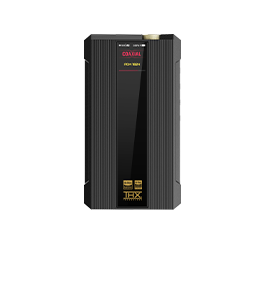
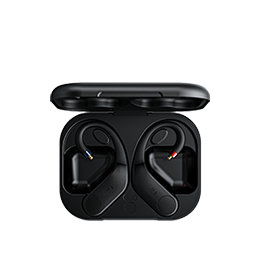
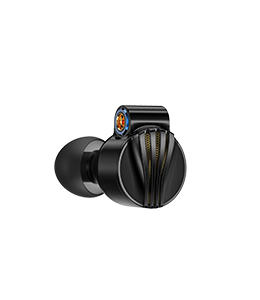
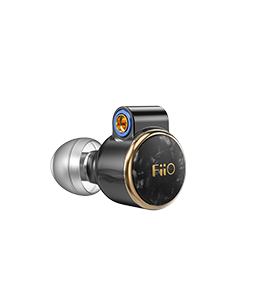
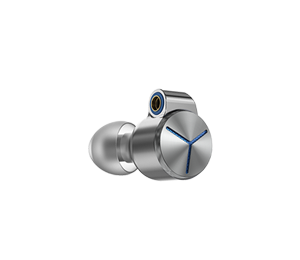
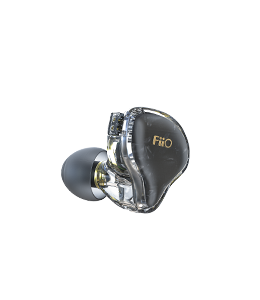
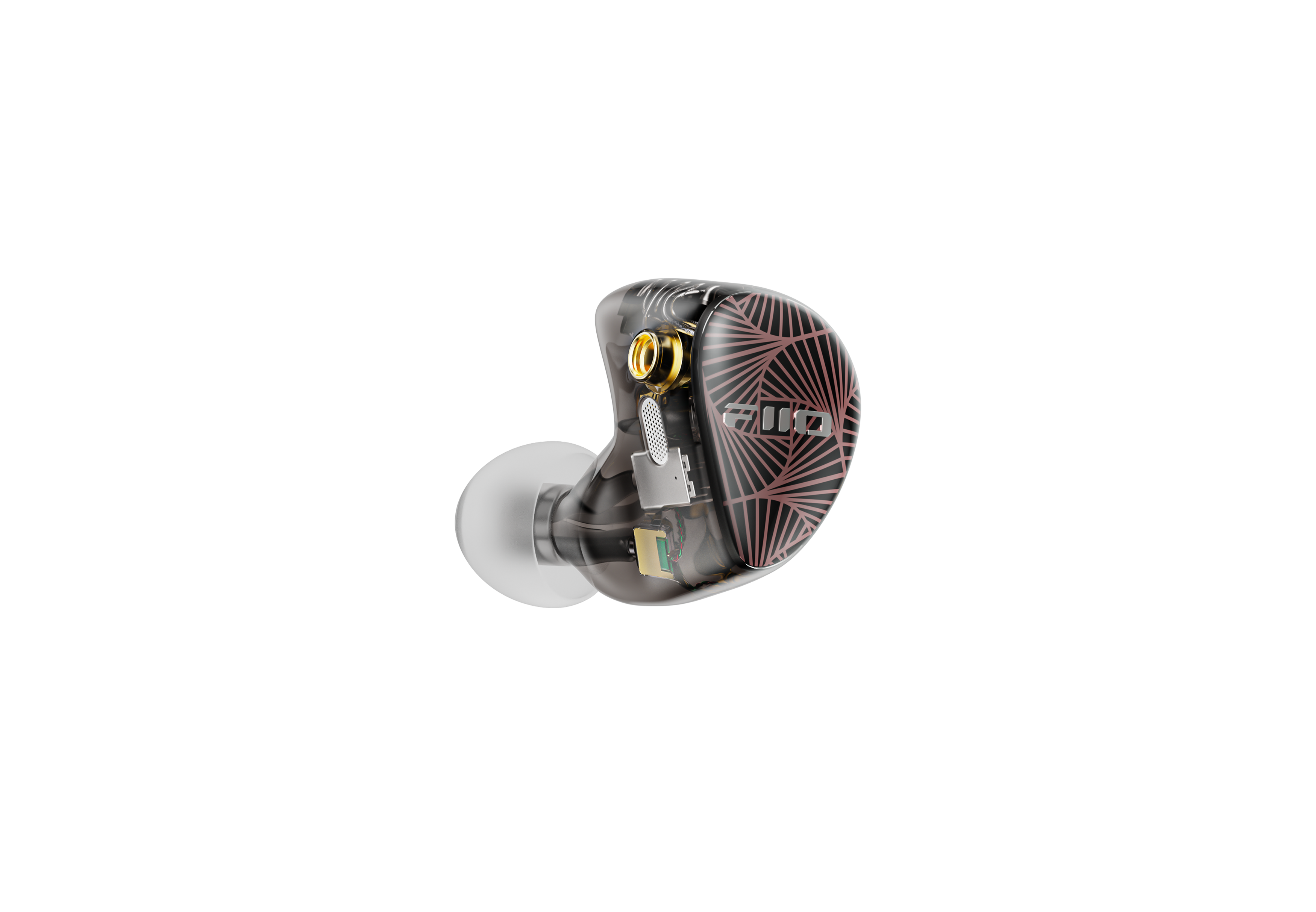
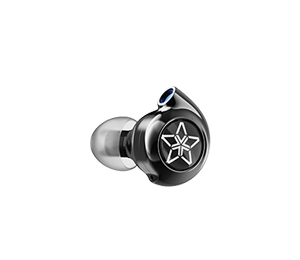
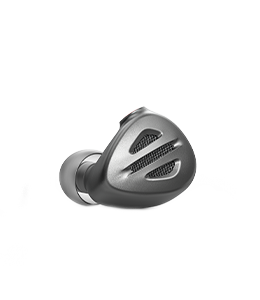
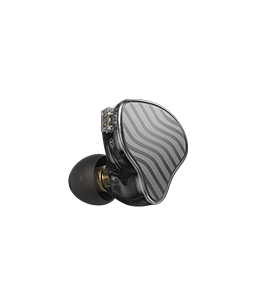
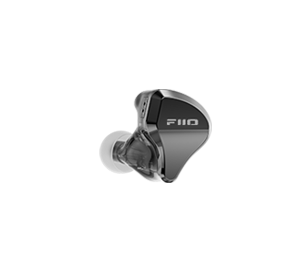
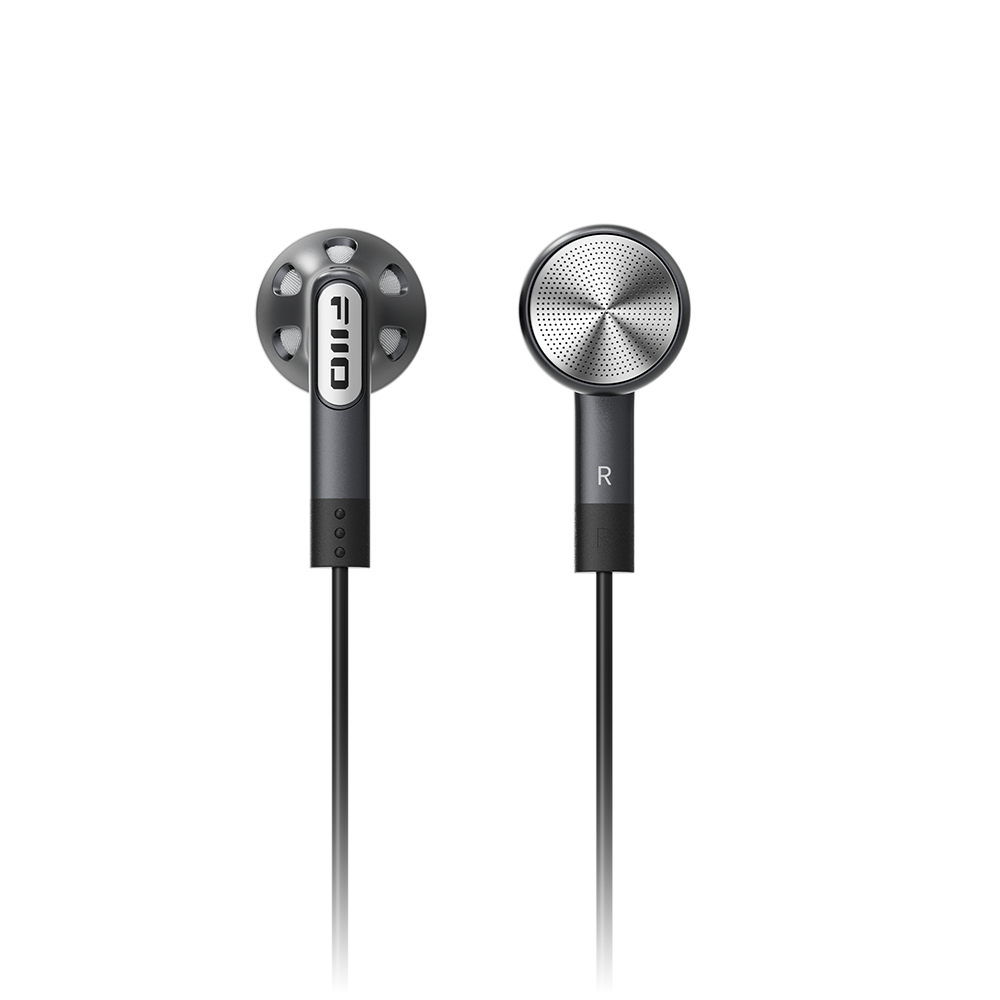
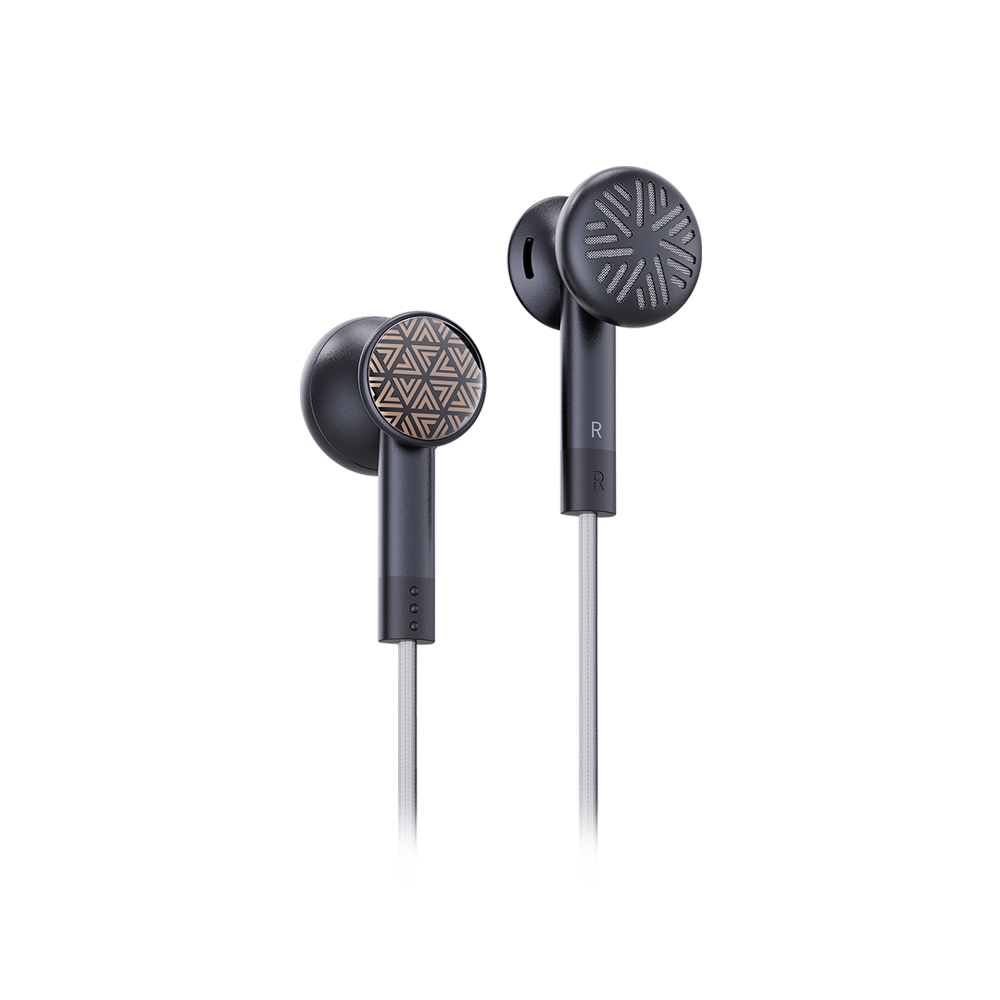
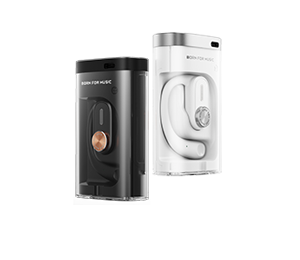
most of the time, we don't need to use earphones that are particularly difficult to push to embarrass K11, because Feiao officials have a good CP option, that is, FT1 wears big ears. It is also easy to see from the model. FT1 is an entry-level product of Feiao FT series with big ears. Currently, the FT series has 4 models and 3 models, namely FT1, FT3 (divided into high resistance version and low resistance version) and FT5. Among them, FT5' s flat-panel earphones, 1 and 3 are both moving-coil earphones. gifted scholar and music talk also shared the listening feeling of several other FT's earlier. because of the difference in driving units, FT3 and FT5 still have some differences in style. I thought FT1 would be close to FT3, but it was still a little unexpected to see the color value at first,FT1 turned out to be a wooden shell headphones, in other words, Feiao also began to play wooden bowl.

first look at the parameters, 32 ohms, and the sensitivity of 98db, it is not difficult to push on paper. Although FT1 is the beginning of the series, the two versions of FT3 are earlier in terms of release time, so some technical inheritance can be transferred to FT1. In my opinion, FT1 is probably the earphone closest to the speaker concept in the FT series, or the earphone with the greatest relationship with "wood. The first is the walnut shell in North America. Wooden bowl earphones are not simple gimmicks. The resonance and sound dyeing of different woods are different, which play a decisive role in the final timbre. However, because the processing process of wood is far more complicated than other industrial materials, there are not many brands willing to be wooden bowls. The second isFT1 uses nano wood fiber composite diaphragm, or you can say it is paper diaphragm., the paper diaphragm is also the choice of many speaker units, even the oldest and most traditional choice. In the 1970 s and 1990 s, we could see them on a large number of horn + cone speakers. Today, there are still a large number of speaker units using paper diaphragms, because in addition to sufficient material strength, paper diaphragms have warm timbre that other materials do not have, including paper large-caliber units used by gifted scholars for their main speakers. FT1 pulp is made of spruce wood from northern Europe in 90 years. After soaking, cooking, 8-hour knocking and other processes, FT1 pulp is formed into pulp. Carbon fiber is added to strengthen the toughness of the diaphragm. After baking and molding, FT1 pulp finally has a thickness of only 0.1mm. Don't think that paper is very fragile. Under the size of this series, paper and metal are actually very close in rigidity. The third thing that has something in common with the speaker is the W-shaped independent suspension edge. This is the same as my own low-frequency unit of the large horn speaker. On the premise of ensuring stability, it increases the rebound speed in large stroke vibration and has a relatively longer service life. Above, technically, I personally will pay more attention to the ideas mentioned above. Of course, perhaps you will pay more attention to 60mm large diameter diaphragm, 25mm large size voice coil, 26db passive noise reduction and so on. The core is in a word, FT1, a wooden bowl, is supported by perfect technology and sound adjustment, not just to sell a piece of wood.

, let's talk about the matching of FT1 and K11R2R. It uses a 4.4 balance port. First of all, from the overall impression of this combination, the timbre is warm, not the cold and straightforward direction. I like this kind of dyeing with a little warm color. Whether listening to the cello or listening to the human voice, there is a kind of kindness. I would like to remind you that the warm resonance of the cello cavity is mainly based on the unit, not the resonance of the wooden cavity, including the wooden bowl earphones of other brands. People must not think that a headset with a wooden shell tastes like wood when listening to everything. This is not the case at all. The earphone cavity is made of hardwood, while the cello panel is made of soft wood (because the hard one has no resonance or does not resonate well), so it should be clear that the main credit for FT1 timbre is the diaphragm. On the specific three frequencies,this set of CP in the low frequency of diving and flexibility, gave me a deep impression, if you listen to instrumental jazz such as "big beef tendon", the fists of the double bass will "rub" your ears quite comfortably. This is not only the advantage of the wooden large-diameter diaphragm, but also the advantage of the moving-coil earphone over the large-diameter sound box. The sound box will cost much more to achieve this degree of low-frequency elasticity. In the intermediate frequency range, my evaluation of this set of collocation is: plump, and can reflect the sweetness and affinity of all kinds of human voices. In terms of high-frequency extension and brightness of cloud-piercing crack, it is not the trend of this set. K11R2R itself is not the front end that pursues high-frequency stimulation, and so is FT1. The combination of the two compromises in high-frequency performance, but in exchange for a more listening style.

article, we talk about the opening sentence, K11R2R plus FT1 this combination, can be said to beone of the representatives of the current entry-level desktop portfolio, the benefits are by no means lower than the cost-effective play of the investment.. There are many choices for entry. Some equipment has both advantages and disadvantages and attracts players with strong personality. Some equipment is trying to make the temperament style of high-end equipment at the cost of shrinking the details. There are also the same combination as today, which is stable and resistant to listening and draws the user's attention closer to the music itself. Which one do you prefer? Or, which one did you choose when you started?

Author:Rogue Talks09-28 16:58
Website:https://weibo.com/ttarticle/p/show?id=2309405083624168096093
